
Most people understand layering as simply throwing on more clothes when it gets cold. Grab a hoodie, add a jacket, done. But effective layering is actually a system where each layer serves a specific purpose: one manages moisture next to your skin, another traps warmth, and the outer shell protects you from wind and rain.
Understanding how these layers work together helps you choose the right custom jackets and work jackets for your team's actual conditions—whether that's construction crews facing unpredictable weather, outdoor event staff working dawn to dusk, or field service teams moving between vehicles and job sites.
Modern apparel often incorporates multiple layering functions into a single garment: insulated soft shells that handle both warmth and weather protection, or fleece-lined hoodies that combine base and mid-layer properties. This guide breaks down the classic three-layer system, explains how different fabrics and constructions perform in each role, and shows you how to match garments to specific conditions and activities so your team stays comfortable and productive regardless of what the weather throws at them.
What Is the Layering System?
The Basic Principle
Layering works by creating multiple barriers that manage heat, moisture, and weather protection more effectively than any single heavy garment could. Instead of relying on one thick jacket to do everything, you use thinner, specialized layers that work together, trapping warm air between them while allowing sweat vapor to escape. This modular approach lets you add or remove pieces as conditions change throughout the day, preventing both overheating during activity and getting chilled during rest periods.
The Three-Layer System
The classic layering system divides garments into three functional categories, each with a specific job:
- Base Layer: Sits directly against your skin to manage moisture. These garments wick sweat away from your body and dry quickly, preventing that cold, clammy feeling that kills comfort.
- Mid Layer: Provides insulation by trapping warm air close to your body. The mid layer focuses purely on warmth—it doesn't need to block wind or shed rain since the outer layer handles that.
- Outer Layer: Shields you from external conditions: wind, rain, snow, and cold air. The outer layer determines whether you stay dry and comfortable or end up soaked and miserable.
Built-In Layering Systems
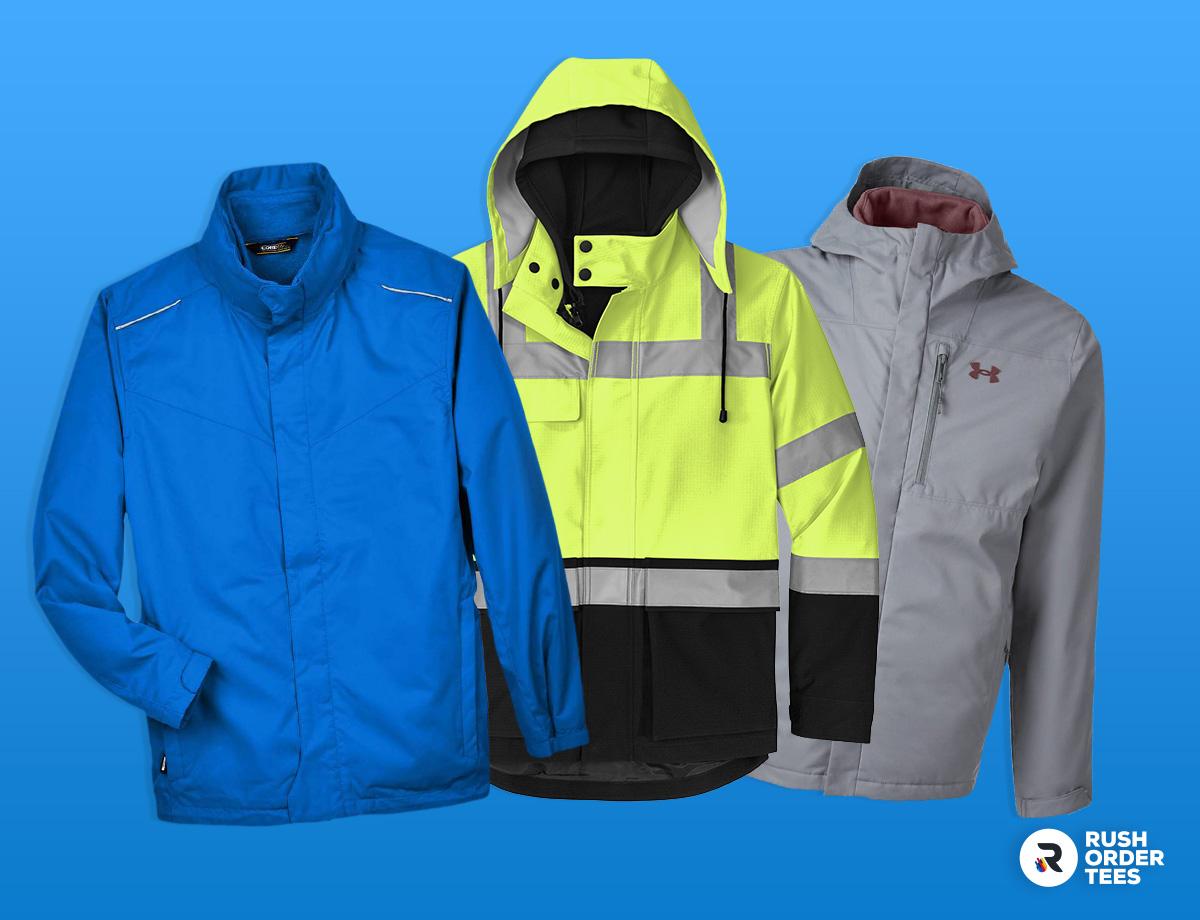
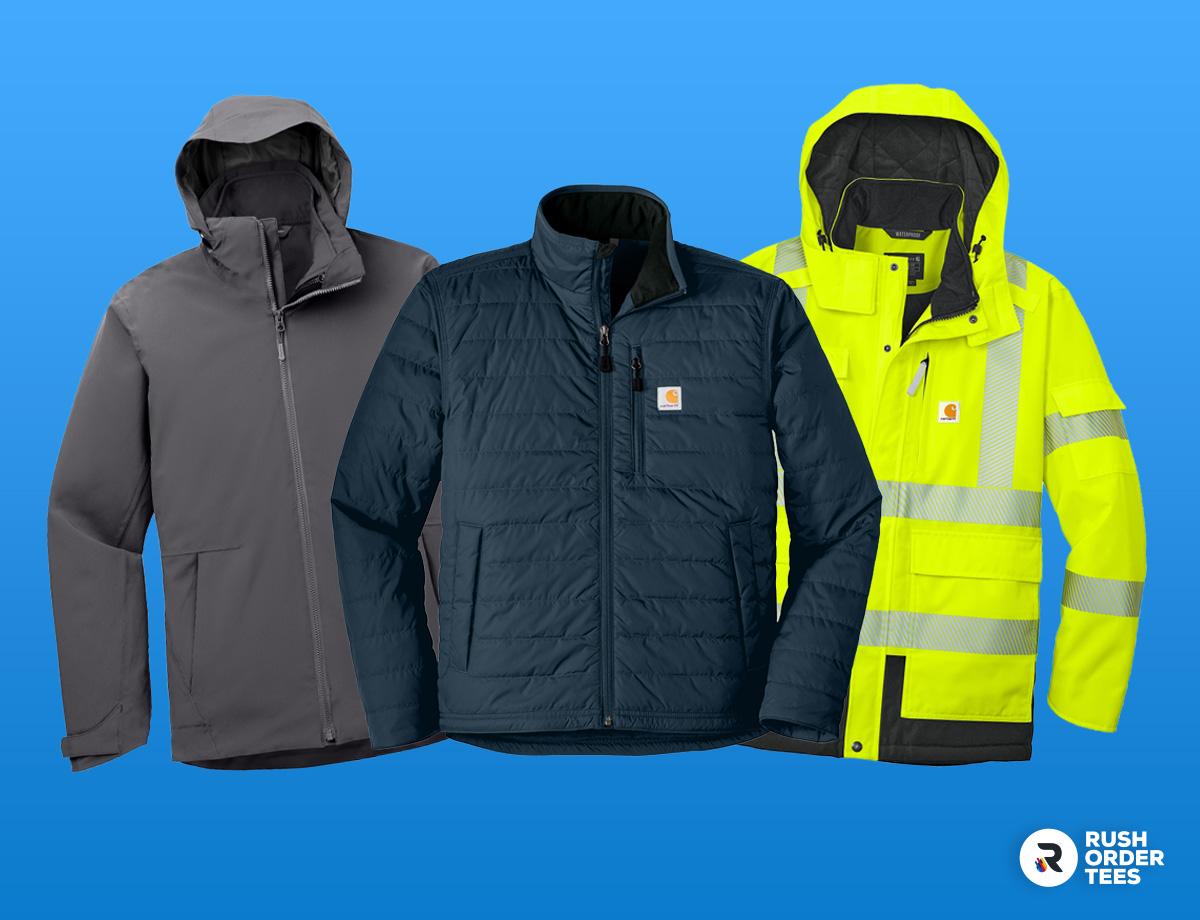
Many modern jackets incorporate multiple layering functions into a single garment, simplifying your gear decisions. Insulated soft shells combine mid-layer warmth with outer-layer weather protection through fleece-backed, wind-resistant fabrics. Three-in-one jackets feature zip-out liners that create three wearing options: the waterproof shell alone for rain protection, the insulated liner separately for dry cold conditions, or both pieces zipped together for maximum weather defense. Quilted insulation adds warmth to work jackets and hoodies without the bulk of traditional layering, while fleece-lined shells trap heat against wind-blocking outer fabrics. These integrated approaches work well when you need simplified uniform programs or want to reduce the number of separate pieces your team needs to manage.
Example products:
Under Armour Porter 3-in-1 2.0 Jacket
CornerStone Class 3 Waterproof 3-In-1 Safety Parka
Layer 1: The Base Layer
Purpose and Function
The base layer's job is managing moisture–not providing warmth. When you're active, your body produces sweat to cool down. If that moisture stays against your skin, it creates a cold, clammy layer that saps body heat and kills comfort. Base layers use moisture-wicking fabrics that pull sweat away from your skin and spread it across the garment's surface where it can evaporate. This keeps you dry during activity and prevents that post-exertion chill when you stop moving. A good base layer should feel almost invisible: lightweight, breathable, and smooth against the skin with no bunching or restriction.
Material Choices
- Synthetic Performance Fabrics: Polyester and polyester blends excel at moisture-wicking and dry incredibly fast. They're durable, affordable, and maintain performance through countless wash cycles. Best for high-activity work and hot conditions where sweat management is critical.
- Merino Wool: Natural odor resistance and temperature regulation make merino popular for multi-day wear and variable conditions. It wicks moisture effectively while providing light insulation, though it costs more and requires gentler care than synthetics.
- Cotton Blends: Standard cotton absorbs and holds moisture rather than wicking it away, making pure cotton a poor base layer choice. However, cotton-polyester blends can work for light activity in moderate conditions where aggressive moisture management isn't essential.
Base Layer Examples
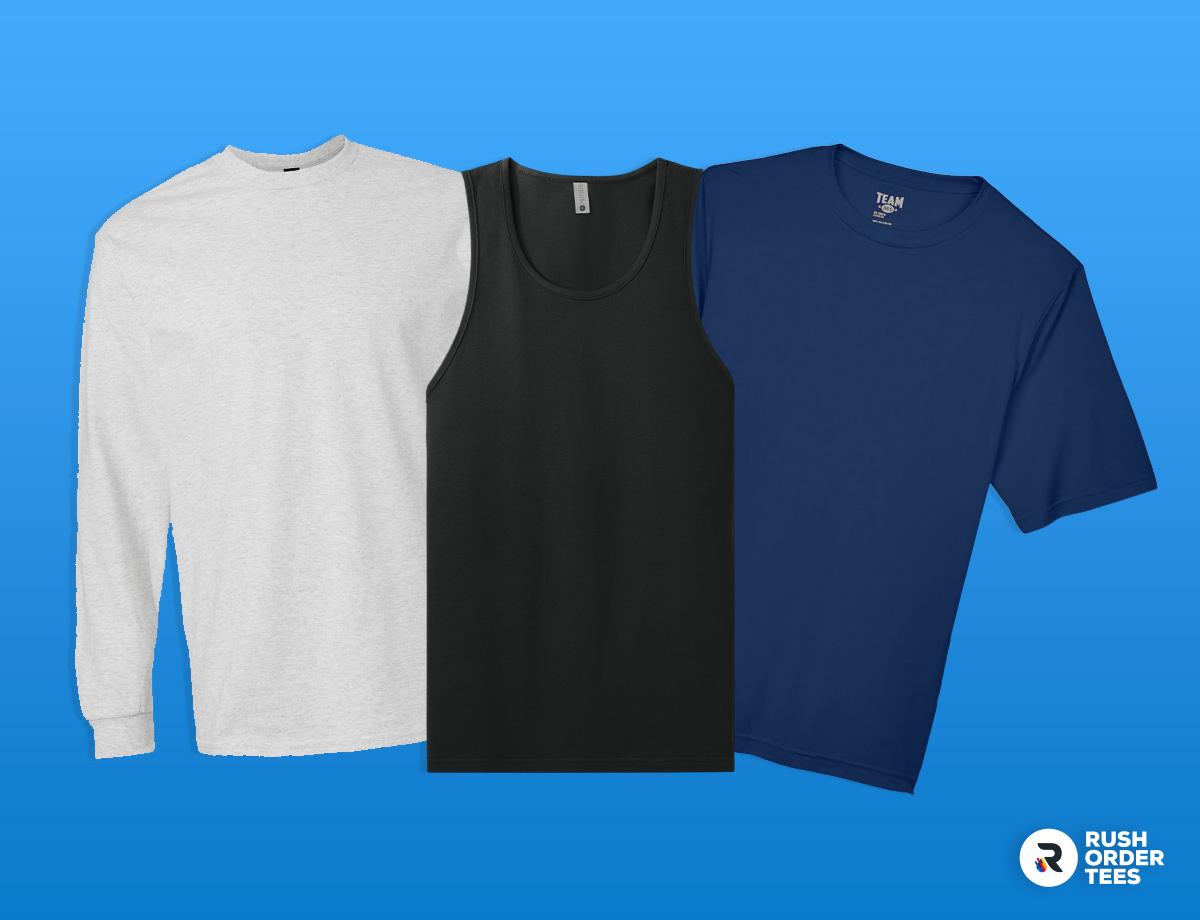
Performance tank tops work well under work shirts or as standalone base layers in hot conditions, keeping your core dry without adding sleeve bulk. Moisture-wicking t-shirts serve as versatile base layers for moderate activity and temperatures; they function equally well worn alone in mild weather or under mid-layers when conditions turn cold. Long sleeve performance shirts provide full-coverage moisture management for cold weather layering or sun protection during outdoor work, with the extended fabric helping regulate temperature across your arms and torso.
Layer 2: The Mid Layer
Purpose and Function
The mid layer focuses entirely on insulation, trapping warm air close to your body to maintain core temperature. Unlike the base layer that manages moisture or the outer layer that blocks weather, the mid layer's only job is keeping you warm. It works by creating dead air space within its fibers or construction, and that trapped air acts as an insulator between your body heat and the cold environment. A good mid layer should be breathable enough to let moisture from your base layer pass through while providing adequate warmth for the conditions. You'll add or remove this layer throughout the day as activity levels and temperatures fluctuate.
Material Choices
- Fleece: Synthetic fleece offers excellent warmth-to-weight ratio, breathes well during activity, and continues insulating even when damp. Available in different weights (100, 200, 300) for varying insulation needs. Dries quickly and requires minimal care.
- Insulated Jackets and Vests: Synthetic fill (polyester) or down insulation provides maximum warmth for the weight. Puffer-style construction creates air pockets that trap heat efficiently. Synthetic insulation maintains performance when wet; down offers superior warmth-to-weight but loses insulating ability if it gets soaked.
- Wool and Wool Blends: Natural temperature regulation and moisture management make wool effective for variable conditions. Heavier than fleece but provides excellent insulation. Often blended with synthetics for improved durability and easier care.
Mid Layer Examples
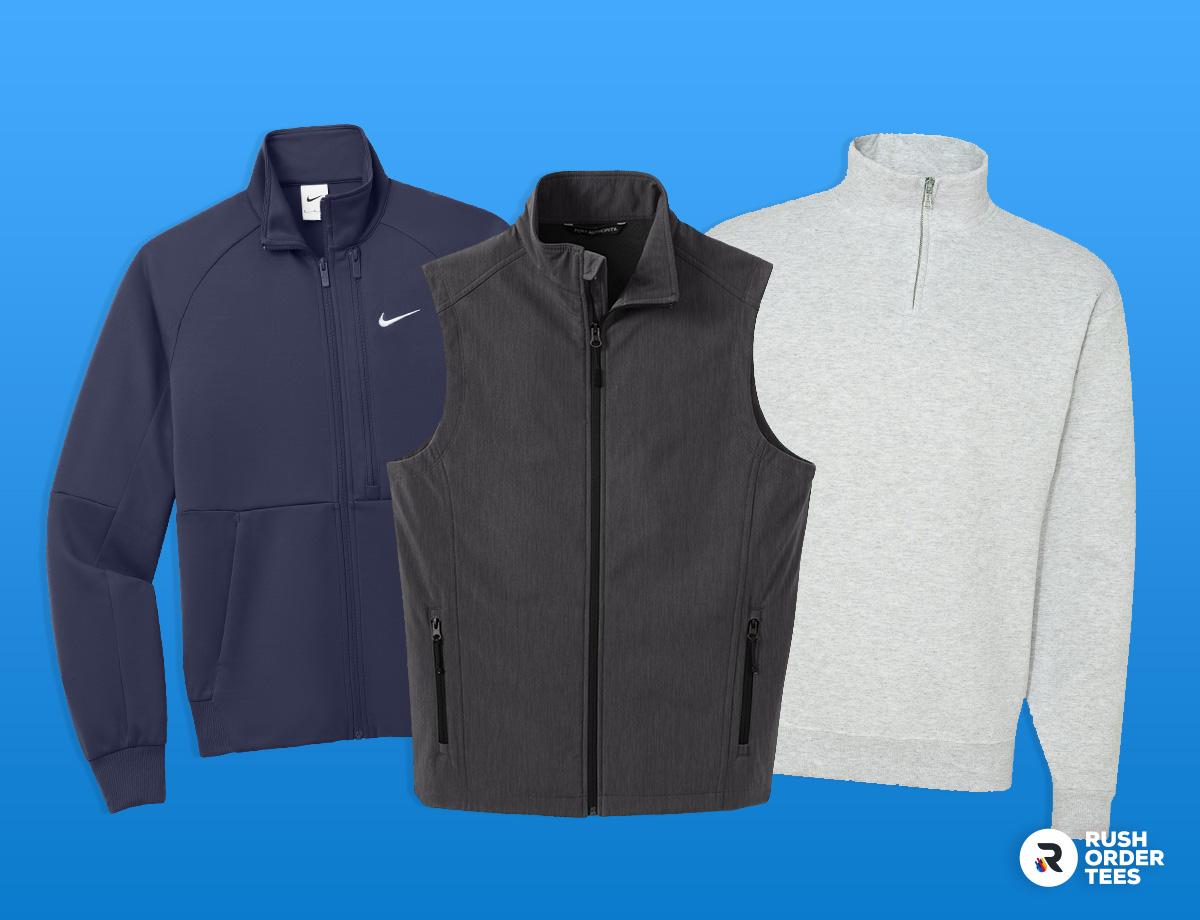
Fleece jackets and track jackets deliver reliable warmth with excellent breathability—the go-to mid layer for active work where you're generating heat. Insulated vests keep your core warm without restricting arm movement or adding bulk under outer layers, perfect for tasks requiring mobility. Hoodies and sweatshirts in heavyweight fleece serve double duty as casual mid layers or standalone outer layers in dry, mild conditions. Puffer jackets with synthetic fill provide serious warmth in a relatively thin package, ideal when you need maximum insulation without excessive bulk under shells or work jackets.
Layer 3: The Outer Layer (Shell)
Purpose and Function
The outer layer serves as your first line of defense against external conditions: wind, rain, snow, and cold air. While base and mid layers manage what's happening inside your clothing system, the shell determines whether harsh weather reaches your body at all. A good outer layer blocks wind and precipitation while remaining breathable enough to let moisture vapor from inner layers escape. This breathability is critical. If your shell traps sweat inside, you'll end up wet and cold despite staying dry from external weather. The outer layer also needs durability to withstand abrasion, snagging, and repeated use in demanding environments.
Types of Shells
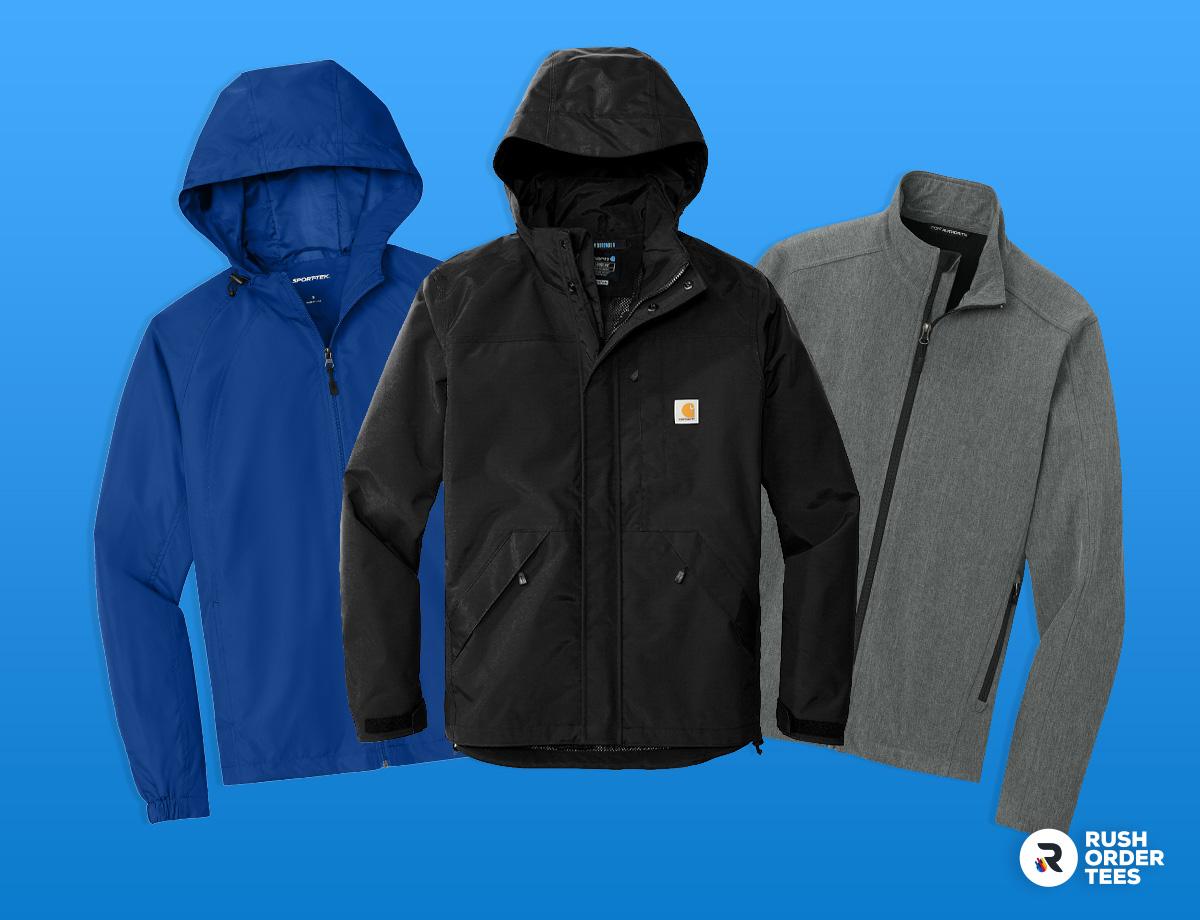
Hardshell (Waterproof) - Hardshells use waterproof membranes or coatings with sealed seams to create complete barriers against rain and snow. These rigid, technical fabrics prioritize weather protection over comfort, making them essential for sustained exposure to wet conditions. [Rain jackets] with sealed seams and waterproof ratings of 5,000mm or higher keep you dry during heavy downpours and extended outdoor work. Look for features like storm flaps over zippers, adjustable hoods, and pit zips for ventilation. Hardshells excel when staying dry is non-negotiable—construction sites in rainy climates, outdoor events, emergency response work, or any situation where you can't retreat indoors when weather turns bad.
Softshell (Water-Resistant, Breathable) - Softshells sacrifice complete waterproofing for superior breathability, stretch, and comfort during active use. These flexible fabrics typically feature DWR (Durable Water Repellent) treatments that shed light rain and wind-resistant construction that blocks cold air without the rigidity of hardshells. [Soft shell jackets] balance weather protection with mobility, making them ideal for work that requires constant movement—utility crews, landscaping teams, construction tasks where you're generating heat. They handle light precipitation and wind while breathing well enough to prevent overheating. Softshells work best as standalone outer layers in dry cold or as mid-layers under hardshells when conditions demand maximum protection.
Windbreakers (Lightweight, Packable) - Windbreakers focus on blocking air movement with minimal weight and bulk. These thin nylon or polyester shells pack down small, making them perfect for variable conditions where you might not need protection all day. [Lightweight jackets] cut wind chill during morning hours or breezy conditions while remaining breathable enough for active use. Most offer light water resistance through DWR treatments—they'll handle brief drizzles but not sustained rain. Windbreakers excel as emergency layers you can stash in a vehicle or bag, or as outer shells during moderate conditions where heavier protection would cause overheating.
Built-In Layering: When Layers Are Part of the Garment
Not every layering solution requires wearing multiple separate pieces. Many modern jackets and outerwear incorporate layering principles directly into their construction, delivering the benefits of multiple layers in a single garment. These integrated designs simplify gear decisions, reduce bulk, and work particularly well for uniform programs where you want consistency without requiring team members to manage multiple pieces.
3-in-1 Systems
Three-in-one jackets feature a waterproof outer shell and a zip-out insulated liner that create three distinct wearing options. Wear the shell alone for rain protection in mild temperatures, use the insulated liner by itself as a mid-layer or standalone jacket in dry cold, or zip both pieces together for maximum weather defense and warmth. This versatility handles a wide range of conditions with a single purchase, making 3-in-1 systems popular for work crews facing unpredictable weather or teams that need year-round outerwear without maintaining separate seasonal inventories.
Insulated Soft Shells
Insulated soft shells bond fleece or synthetic insulation directly to wind-resistant, water-repellent outer fabrics. The result combines mid-layer warmth with outer-layer weather protection in a single, flexible garment. These jackets move better than rigid hardshells while providing more weather resistance than standard fleece; ideal for active work in cold, dry conditions or light precipitation. The integrated construction eliminates the bulk and restriction of wearing separate mid and outer layers, though you sacrifice the ability to adjust insulation independently from weather protection.
Fleece-Lined and Quilted Jackets
Fleece-lined jackets attach soft, insulating material to the interior of shells, work jackets, or hoodies, creating immediate warmth without adding a separate mid-layer. Puffer, also known as quilted jackets, use stitched channels filled with synthetic insulation (polyfill), trapping warm air in compartments throughout the garment. Both approaches add substantial warmth to what would otherwise be single-layer outer shells. Canvas work jackets with quilted flannel linings or hoodies with fleece interiors deliver reliable cold-weather protection while maintaining the durability and functionality expected from workwear.
Layering Strategies for Different Conditions
Mild Weather (50-65°F)
- Base layer + mid layer: Moisture-wicking tee paired with a fleece jacket or quarter-zip handles cool mornings that warm up by midday.
- Base layer + outer shell: When wind or light rain is the concern, skip the mid layer and go straight to a windbreaker or soft shell over your performance tee.
- These conditions rarely require all three layers. Choose based on whether you need warmth or weather protection.
Moderate Weather (35-50°F)
- Base layer + mid layer + lightweight shell: Long-sleeve base with fleece and a vest, topped with a windbreaker for complete coverage.
- Base layer + insulated jacket: Alternatively, combine your moisture-wicking base with an insulated jacket that handles both warmth and light weather protection.
- This temperature range benefits most from modular layering since conditions often fluctuate throughout the workday.
Cold Weather (20-35°F)
- Base layer + insulating mid layer + weatherproof outer shell: Thermal base, fleece jacket, and waterproof shell create a complete system for sustained cold exposure.
- Add a vest for extra core warmth without bulk on your arms.
- Example combination: Moisture-wicking long sleeve, heavyweight fleece, insulated vest, rain shell with sealed seams.
Extreme Cold (Below 20°F)
- Multiple mid layers or heavyweight insulation: Stack a fleece under an insulated jacket, or use a single heavy-duty insulated piece.
- Weatherproof, insulated outer shell: Your outer layer needs both maximum insulation and complete weather protection.
- Consider 3-in-1 systems with zip-out liners that combine maximum insulation with waterproof shells; simplified gear management when conditions are brutal.
Activity Considerations
- High activity: Prioritize breathability and easy venting with lighter layers you can shed as you warm up. Avoid over insulating, which causes sweat buildup.
- Low activity/stationary: Focus on insulation and wind protection since you won't generate body heat. More layers and heavier insulation prevent cold from setting in.
- Variable activity: Choose versatile pieces you can add or remove quickly as work intensity changes throughout the day.
Work Environment Applications
- Construction sites: Durable outer layers that withstand abrasion, hi-vis requirements for safety compliance, removable mid layers for temperature regulation as the day progresses.
- Outdoor events: Branded fleece or quarter-zips for staff identification, packable rain shells that stow easily when weather clears.
- Utilities/field work: Weather protection that holds up to daily use, safety compliance features, and durability to handle tools and equipment contact.
Choosing the Right Layers
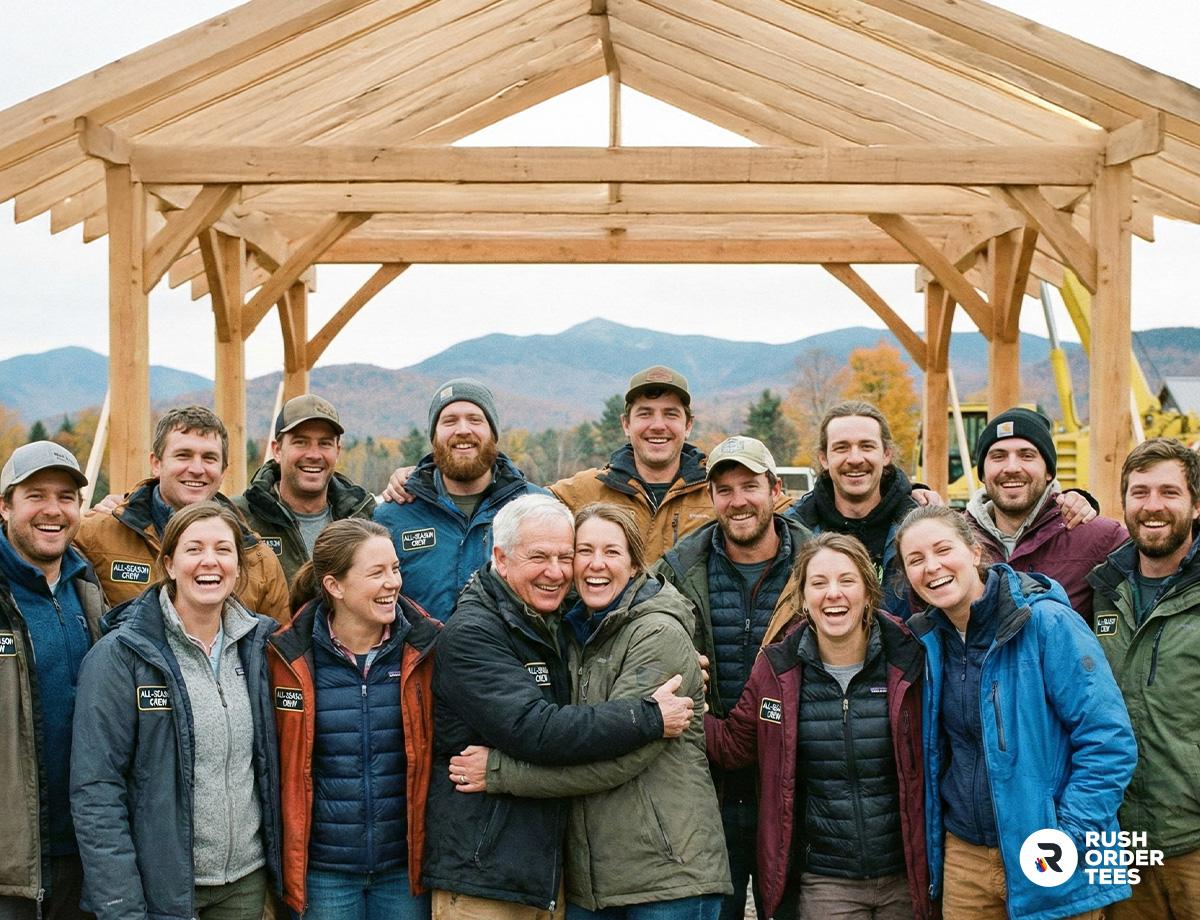
Start by asking yourself what conditions your team actually faces and how they'll be moving throughout the day. Will they work outdoors continuously or transition between vehicles and job sites? Are they generating heat through physical labor or standing relatively still? Does the work happen in predictable weather or do conditions change hour by hour? Understanding actual use cases (not just worst-case scenarios) helps you avoid over-layering that causes discomfort or under-preparing that leaves people cold and miserable.
Remember: base layers manage moisture against your skin, mid layers trap warmth without blocking breathability, and outer layers shield you from wind and precipitation while letting internal moisture escape. Built-in layering systems simplify these principles into single garments when that approach makes sense for your uniform program. The right system keeps people comfortable and productive regardless of weather changes.
RushOrderTees carries the full range of layering essentials from performance base layers to technical shells, all from brands that deliver reliable quality and consistent sizing. With over two decades customizing apparel for teams working in every condition imaginable, we understand which fabrics and constructions actually perform versus what just looks good in product descriptions. Browse our full catalog of custom outerwear or reach out for guidance on combinations that keep your team comfortable without overthinking it.

About the Author
A graduate of the Multimedia program at the University of the Arts in Philadelphia, Imri Merritt is an industry veteran with over 20 years of graphic design and color separations experience in the screen printing industry.