 2727 Commerce Way
Philadelphia PA 19154
2727 Commerce Way
Philadelphia PA 19154 Call (800) 620-1233
 Email Us
The Fastest Direct to Garment Printing Services in the Industry
Custom DTG Shirt Printing: Quality Prints. No Minimums. Fast, Free Shipping
Start A DesignThe Fastest Direct to Garment Printing Services in the Industry
Custom DTG Shirt Printing: Quality Prints. No Minimums. Fast, Free Shipping
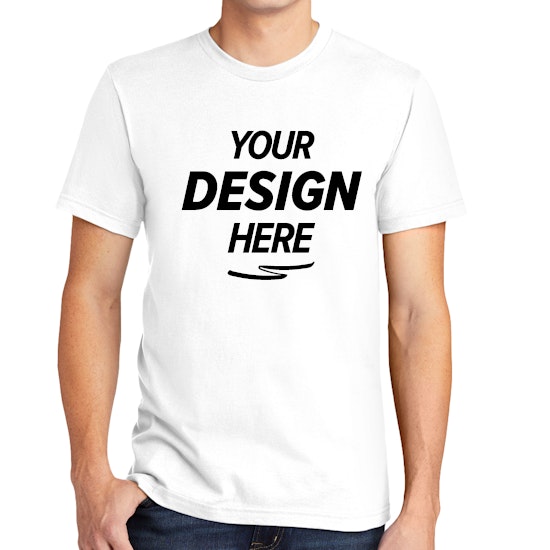
Choose a T-Shirt Color
Choose a Color for Your DTG Shirt:
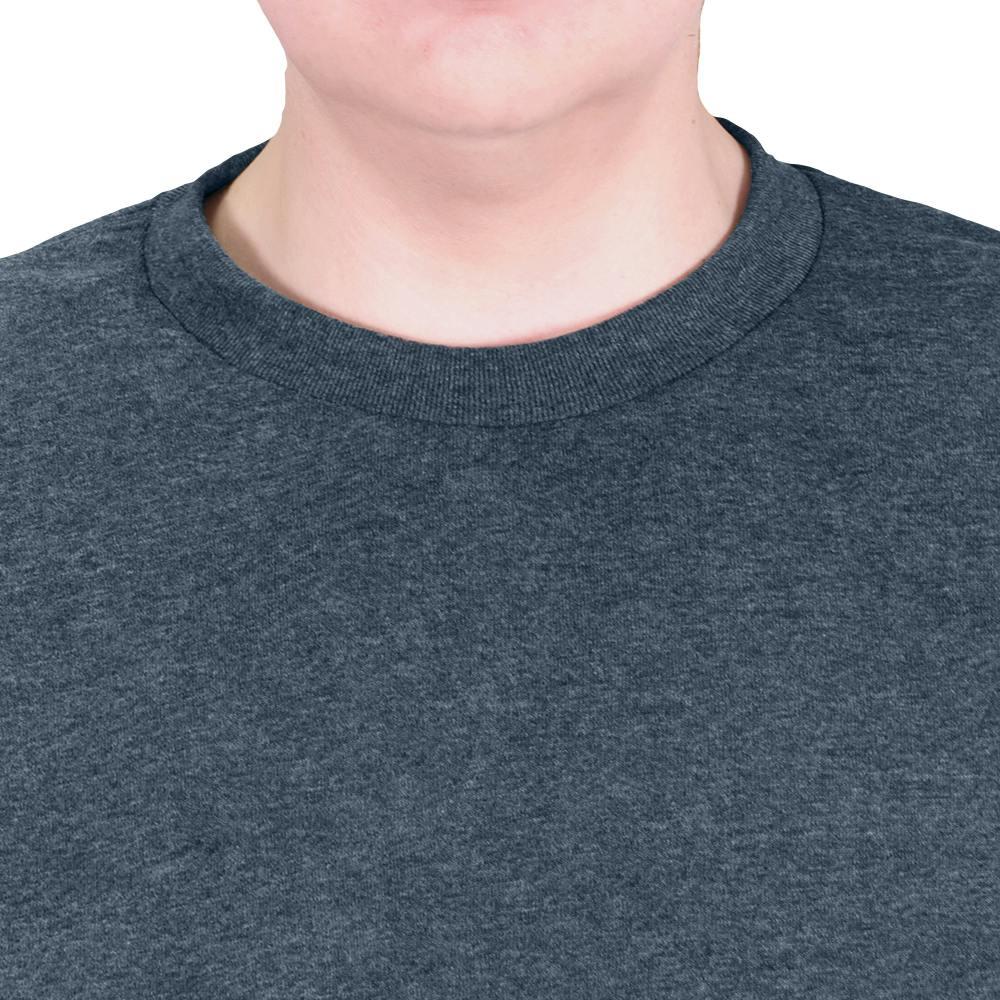
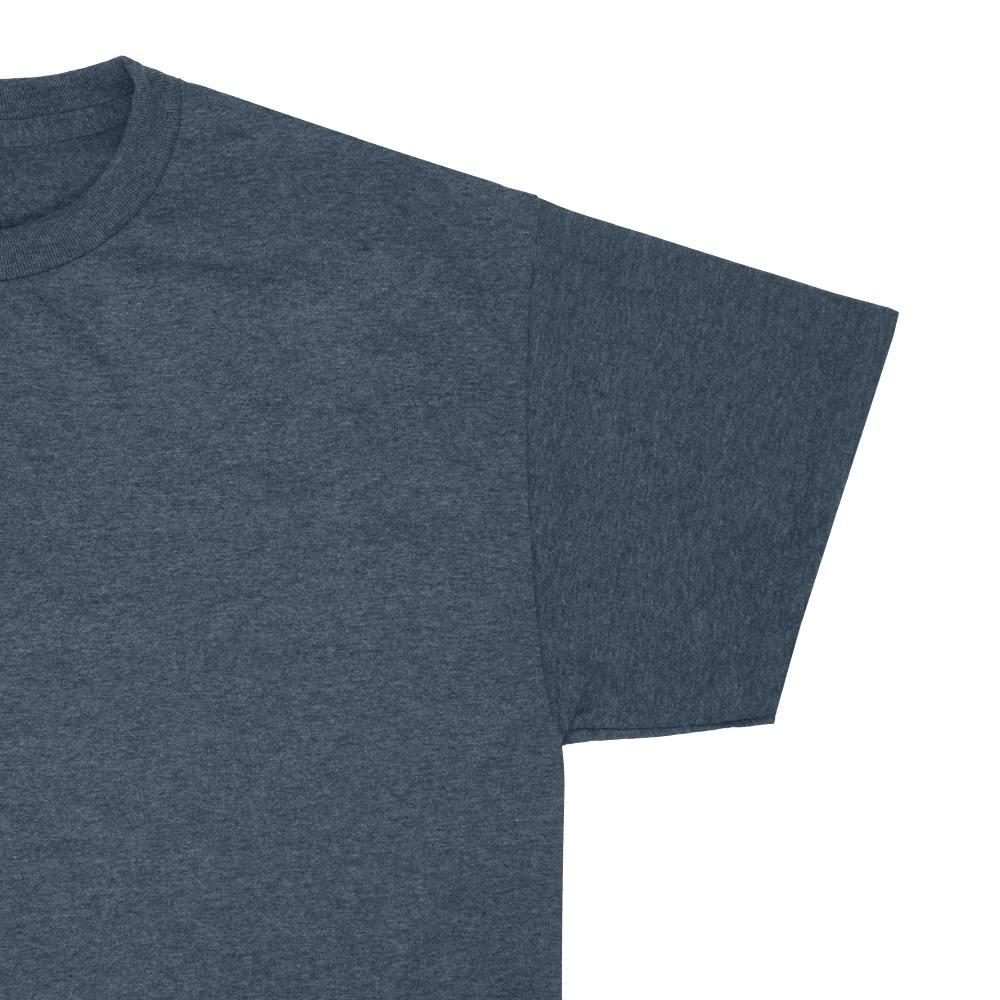
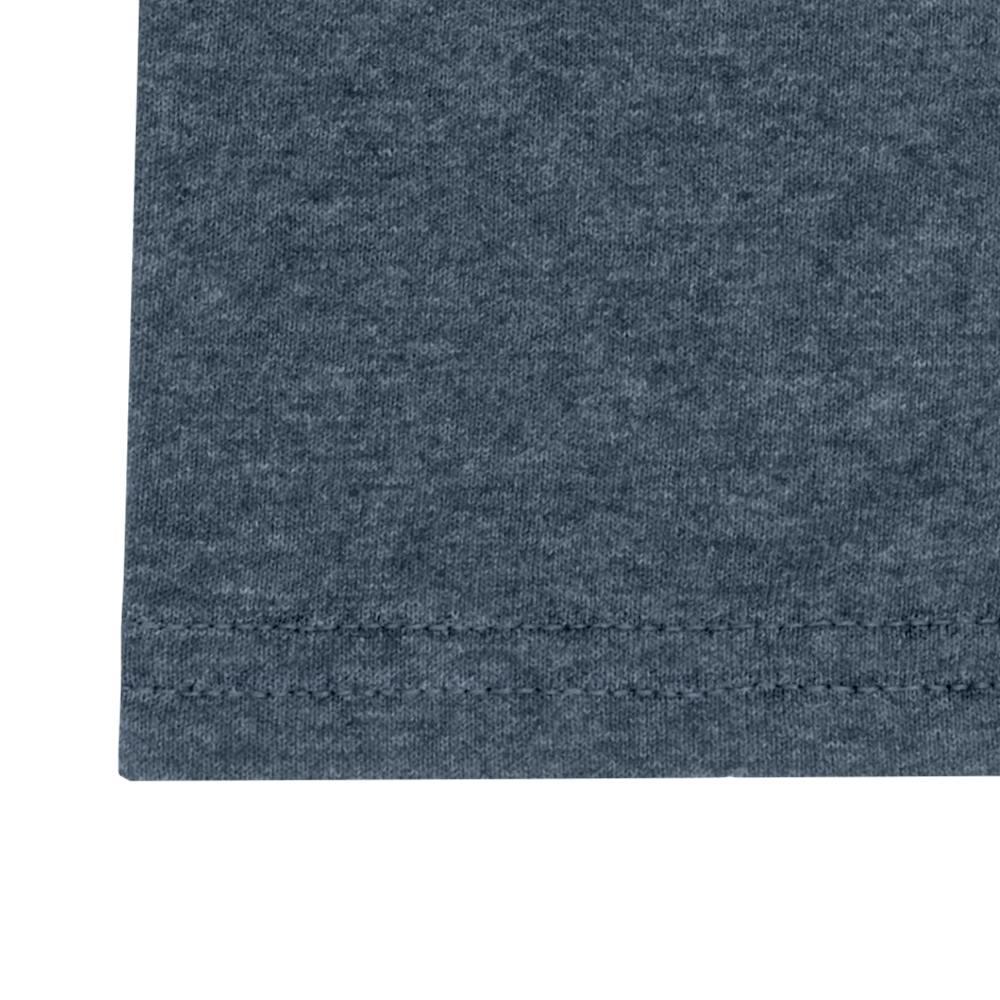
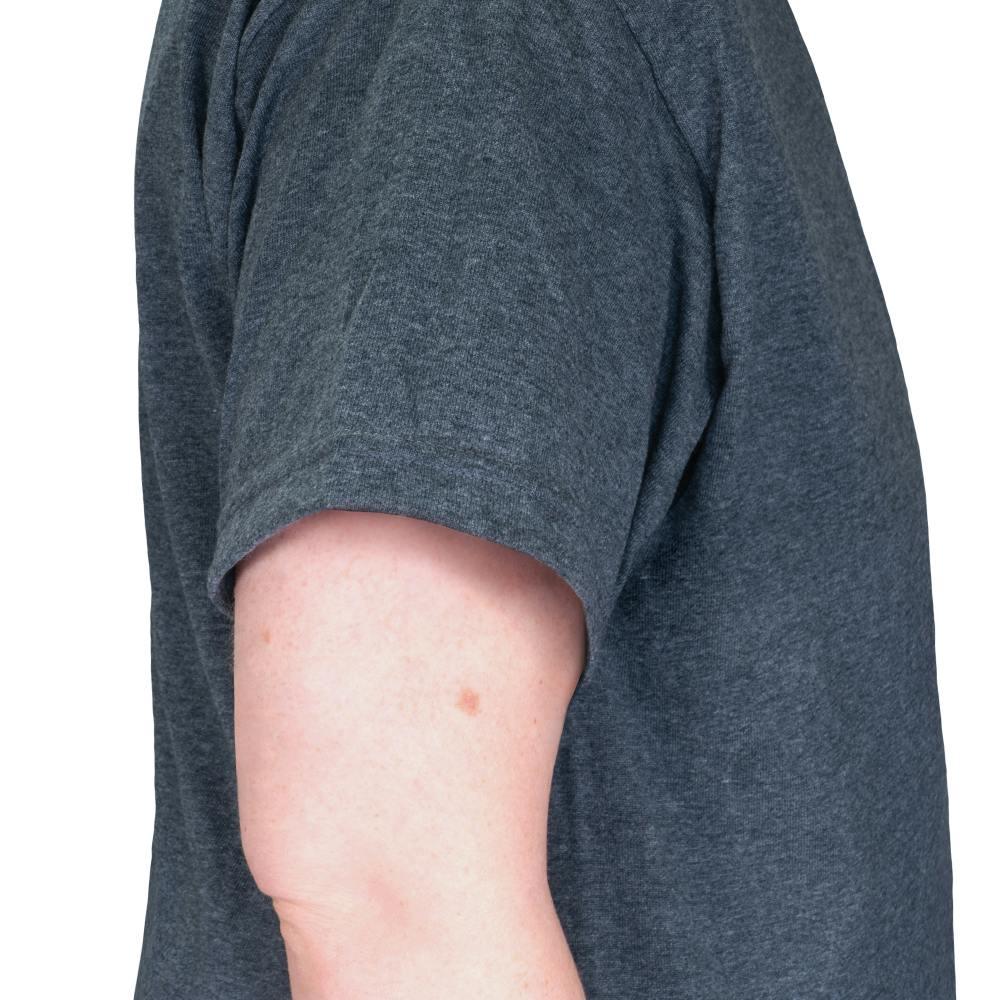

Selected Color:
White
Free Shipping
...
Choose Another Product to Print
Learn About DTG Printing From Our Printing Experts!
What is DTG or Digital Printing on Shirts?
This printing method is known by a few different names: direct to garment printing, DTG printing, or even digital screen printing.
No matter what you call it, digital printing is one of the printing processes we use in-house to bring your t-shirt creations to life. Instead of the traditional screen printing, DTG creates a digital image that is printed directly onto your apparel. Printing happens on state of the art printing machines and uses special ink cartridges.
These direct to garment printers aren't your average printers--our DTG department is powered by large scale, industrial sized machines that weight thousands of pounds! Our team of experienced direct to garment printing team is able to use these to print any quantity order with highly detailed full color designs at an affordable price.
Direct to Garment Design Examples
Digital t-shirt printing is essential for designs that are too complex or detailed for traditional screen printing methods. Our DTG printers are purpose-built by Kornit Technologies and use the highest quality technology and inks for custom apparel printing.
File Types for Direct to Garment
There are two types of images: raster and vector. Raster images use pixels. The higher number of pixels an image contains, the better resolution it will have; better quality prints. Pixels have a direct effect on the scaling capabilities of an image. The more pixels an image contains, the larger it can be scaled without becoming boxy, or “pixelated.”
Vector images, however, use mathematical calculations between two different points to create geometrical shapes. The process itself uses lines instead of pixels, and because of that, they are infinitely scalable. No matter how large you scale a vector image, it will not lose its quality. When you view a photo on a computer screen, it usually requires a fairly low PPI (Pixels Per Inch) count – around 72, generally. For digital viewing, that’s fine. But when it comes to printing, both on t-shirts and paper, the higher the PPI count, the better. Ideally, we request customers submit photos at 300 PPI. If that’s not possible, no worries! Our design team is always happy to help. Whether submitting a vector or raster image, here are some of the most commonly accepted file formats:
- AI
- EPS
- JPEG
- TIFF
- PNG
- PSD
- PCT