
Getting the fit right on custom pants matters more than almost any other apparel piece—there's nowhere to hide when pants don't fit properly. Whether you're outfitting a work crew with branded joggers, ordering corporate uniforms, or planning team gear, accurate sizing prevents the frustration of returns, exchanges, and disappointed wearers. This guide walks you through everything you need to know: how different fit styles actually work, which measurements matter most, and the insider tips that ensure your custom pants look and feel exactly right from day one.
Common Fit Styles for Custom Pants
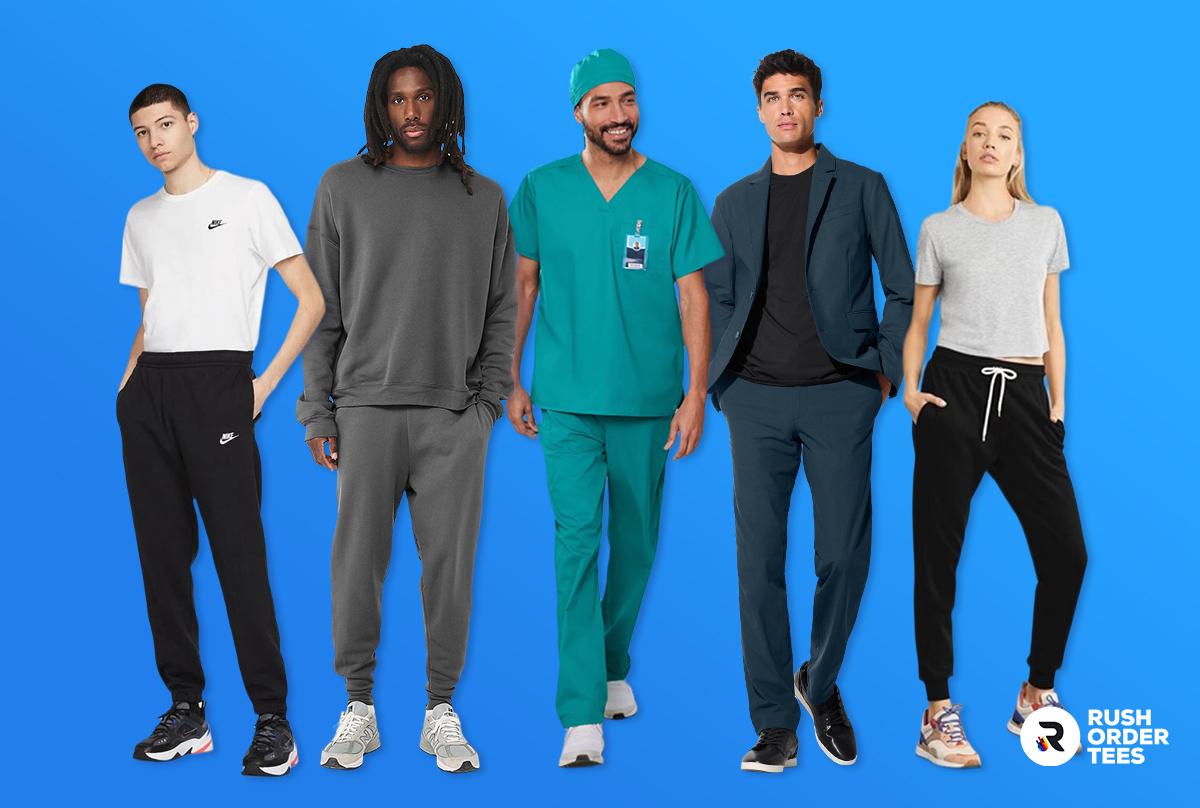
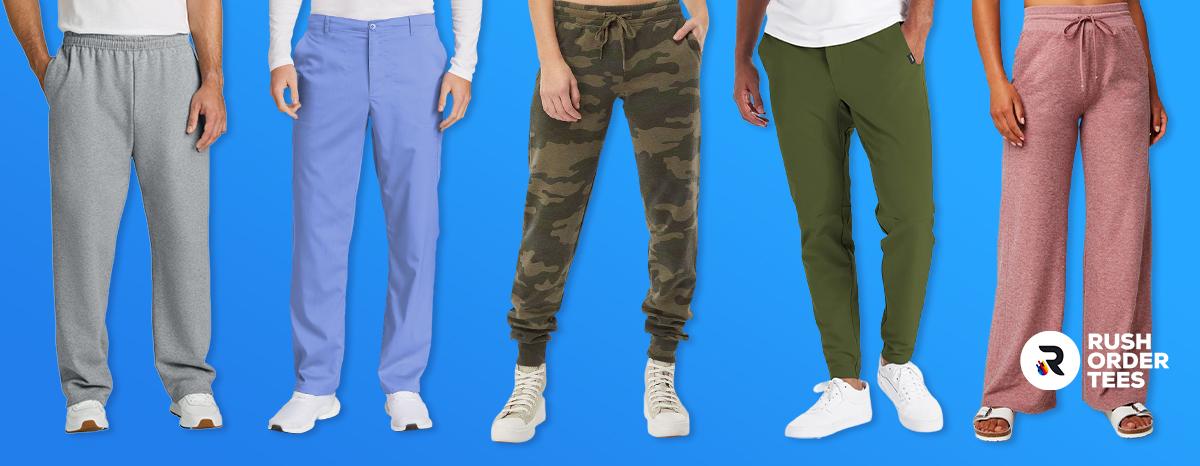
Understanding pants fit styles eliminates guesswork when ordering custom apparel for diverse groups. Each fit serves specific body types and use cases; relaxed fits prioritize all-day comfort for physical work, while tapered cuts deliver a modern look that transitions from office to casual settings. Here's how the most common fit styles actually differ and when each one works best for your custom pants project.
Relaxed Fit
Relaxed fit pants are designed to offer extra room through the seat, hips, and thighs, making them a go-to choice for all-day comfort and ease of movement. Think sweatpants. They maintain a straight or slightly looser leg profile, allowing for flexibility whether worn for workwear, active pursuits, or casual settings. This fit prioritizes comfort without sacrificing a clean, presentable appearance—making them ideal for those who want pants that don’t restrict or feel tight.
Classic Fit
Classic fit pants feature a traditional cut that sits comfortably at the waist and is easy through the hip and thigh with a straight leg from hip to hem. This fit provides a timeless silhouette that balances structure and comfort, making it extremely versatile across workwear, activewear, and casual occasions. The classic fit is widely preferred for its slightly looser but not baggy style, keeping the look polished and consistent.
Tapered Fit
Tapered fit pants start with more room at the hips and thighs and gradually narrow toward the ankle for a streamlined, modern look. This style combines the upper-leg comfort of relaxed or classic fits with a slimmer leg opening, providing a flattering silhouette that moves easily between work attire and casual wear. Tapered fits are especially popular for those seeking a sharp, tailored appearance without the full snugness of slim fits, and they work well for various body types, especially those with more developed thighs.
Athletic Fit
Athletic fit pants are specifically engineered to accommodate muscular builds, providing additional space in the seat and thighs while maintaining a tailored, modern look through the calves and ankle. This fit uses stretch fabrics for mobility and is ideal for people with athletic or active lifestyles who want pants that feel comfortable on muscular legs without being baggy or loose elsewhere. Athletic fits are popular in both dress and casual pants for their ability to blend comfort, performance, and a professional appearance.
Loose / Baggy Fit
Loose or baggy fit pants embrace a significantly oversized cut, offering maximum space throughout the hip, thigh, and leg areas. While loose fit provides extra room mainly in the seat and thighs, baggy fit takes it further with a wide leg profile from top to bottom. These fits are commonly chosen for streetwear and casual looks or for those desiring unrestricted movement. The exaggerated proportions make them a bold style statement and an excellent option for comfort, lounging, or manual work that requires full freedom of movement.
Key Measurements to Know
Accurate measurements are the foundation of successful custom pants orders. While waist and inseam get most of the attention, understanding all the key measurements prevents the common sizing mistakes that turn team orders into headaches. Here's what to measure, how to do it correctly, and which measurements matter most for different pants styles.
Primary Measurements
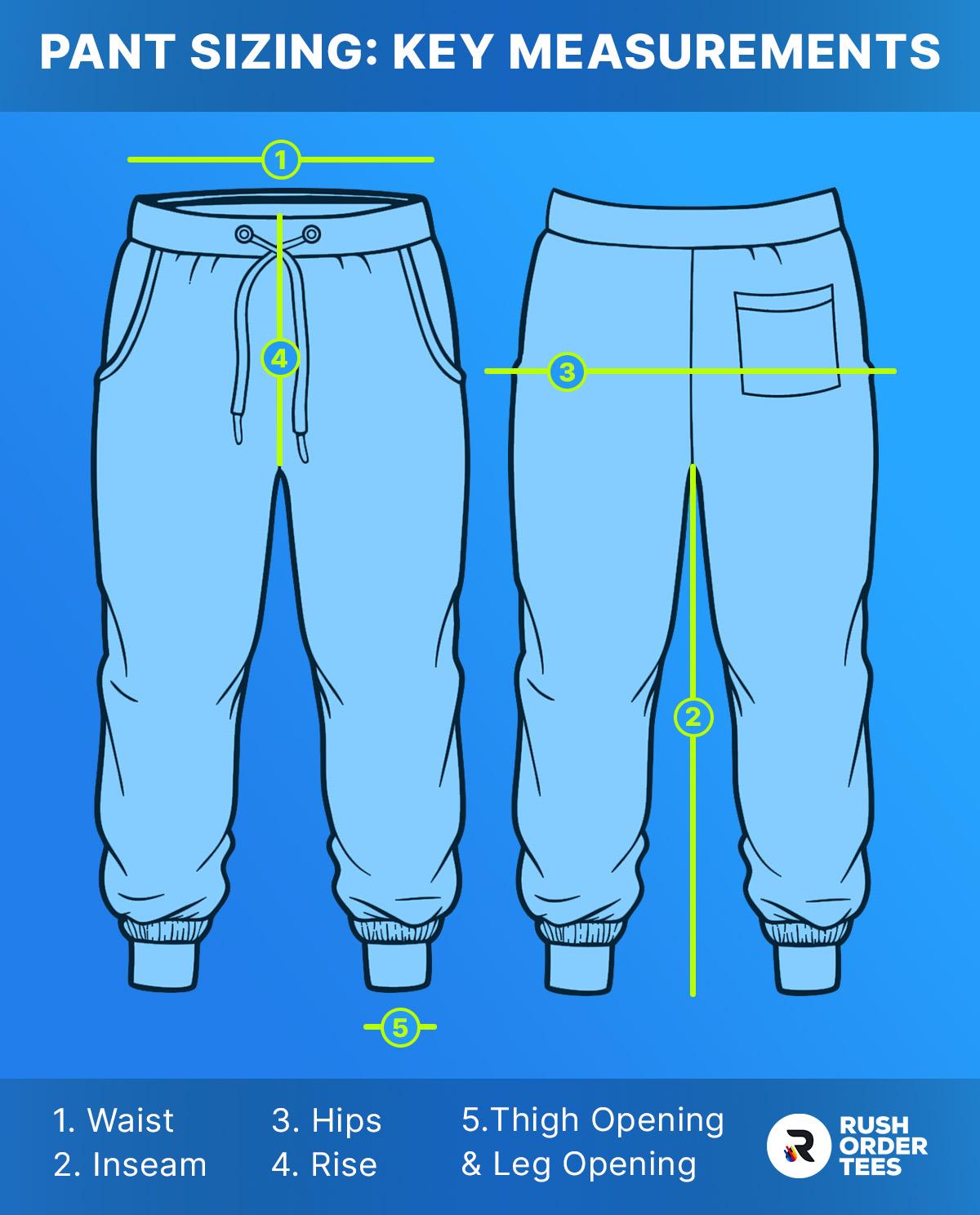
- Waist - The waist measurement determines how snugly the pants will fit around your middle. To measure your waist, use a flexible tape measure at your natural waistline—this is typically the narrowest part of your torso, just above the belly button. For low-rise or mid-rise pants, measure where you prefer your pants to sit, as this can vary by style and personal comfort.
- Inseam - The inseam defines the length of the pants from the crotch down to the bottom hem. To find your inseam, stand straight with your legs slightly apart and measure from the crotch seam (where the legs meet) down to where you want the pants to end, usually at the ankle bone. It’s helpful to use a pair of well-fitting pants as a reference or have someone assist for accuracy.
Additional Measurements
- Hip - These measurements ensure the pants fit comfortably around the widest part of your lower body. Wrap the tape measure around the fullest point of your hips and seat, usually about 7-9 inches below your natural waistline, keeping the tape snug but not tight.
- Rise - This is the distance from the crotch seam to the top of the waistband and can affect how the pants sit on your body (high, mid, or low rise). To measure rise, start at the crotch seam and extend the tape upwards to the top of the waistband. This measurement is especially useful for ensuring the pants suit your preferred rise, which affects comfort and style.
- Thigh Opening & Leg Opening - These measurements are important for joggers and slim-fit pants, where fit around the thigh and ankle matters. For the thigh opening, measure around the widest part of the thigh just below the crotch. For the leg opening, measure the circumference of the bottom hem. Accurate measurements here help ensure the pants aren’t too tight or loose at the leg ends, making them ideal for slim, tapered, or athletic styles.
Interpreting Size Charts
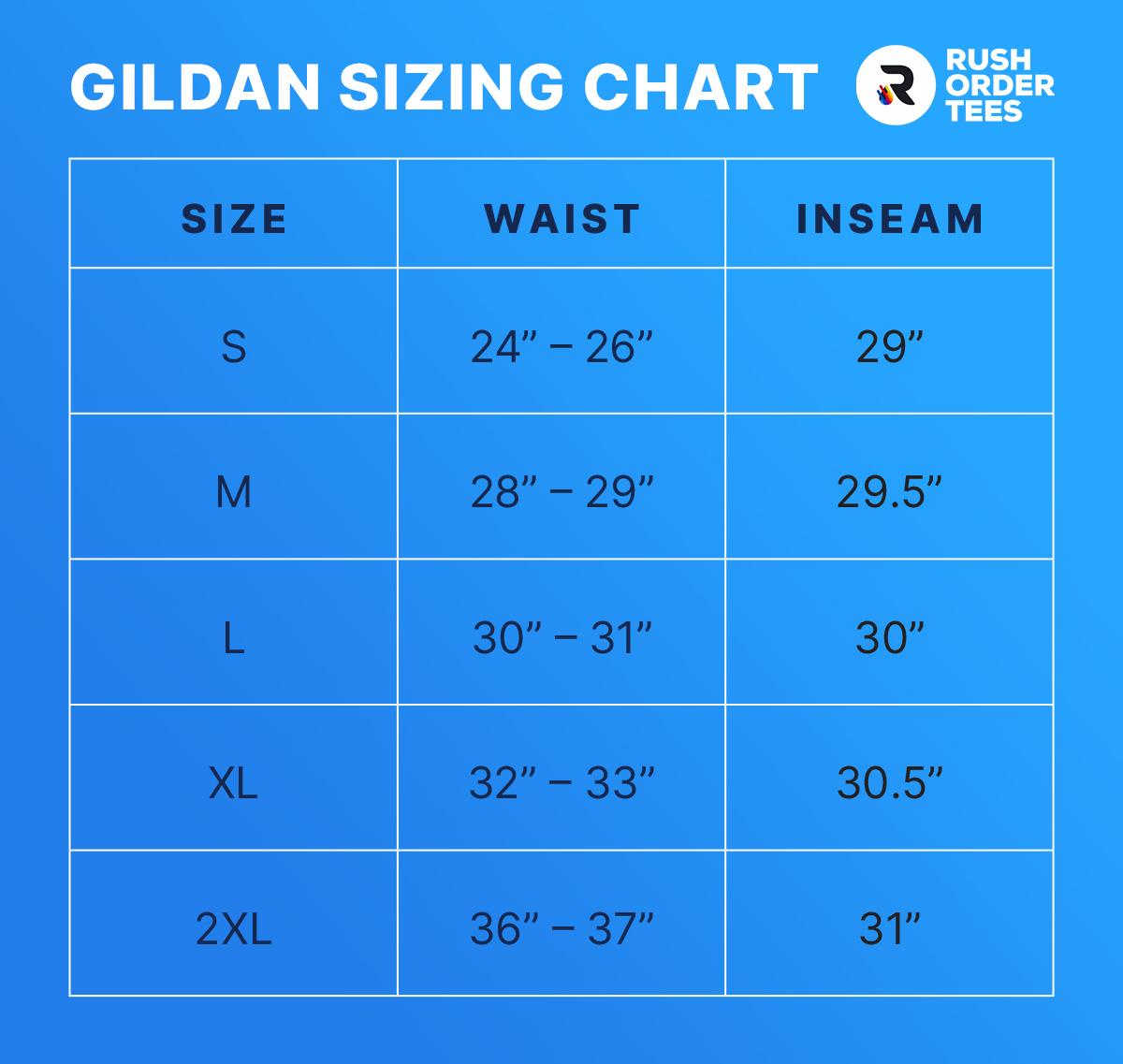
Size charts for custom pants are usually organized with size labels—such as S (Small), M (Medium), L (Large), up to 3XL—displayed alongside a set of corresponding measurements. These charts provide key figures for waist, inseam, hip, and sometimes additional details like rise or leg opening. Below each size label, the chart typically lists the actual garment dimensions in inches or centimeters, based on how the pants are measured when laid flat.
It's important to note that most size charts reference the garment’s measurements (pants laid flat), not the actual body dimensions of the wearer. For example, the waist listed in the chart might represent the physical width of the waistband on a flat surface, which should be doubled to compare accurately with a body measurement taken with a tape measure.
To compare the chart numbers to your body measurements, first measure yourself according to the recommended guidelines (waist, inseam, hip, etc.). Then, match your measurements against the chart, keeping in mind that you may need to account for intended fit (snug, relaxed, etc.) and any difference between flat garment numbers and your full body circumference.
When in doubt, refer to the chart’s measuring instructions or look for a brand’s fit notes to make sure you’re choosing the most comfortable and appropriate size for your needs.
Gender & Fit Considerations
Unisex Pants
Unisex pants are designed to fit a wide range of body types, which means they often run larger for women compared to men. Women ordering unisex pants should consider sizing down or, better yet, consult the size chart and focus on both waist and hip measurements to ensure a good fit. Paying attention to these key points helps prevent pants from feeling too loose or ill-fitting, especially around the waist and seat.
Men’s vs. Women’s Cuts
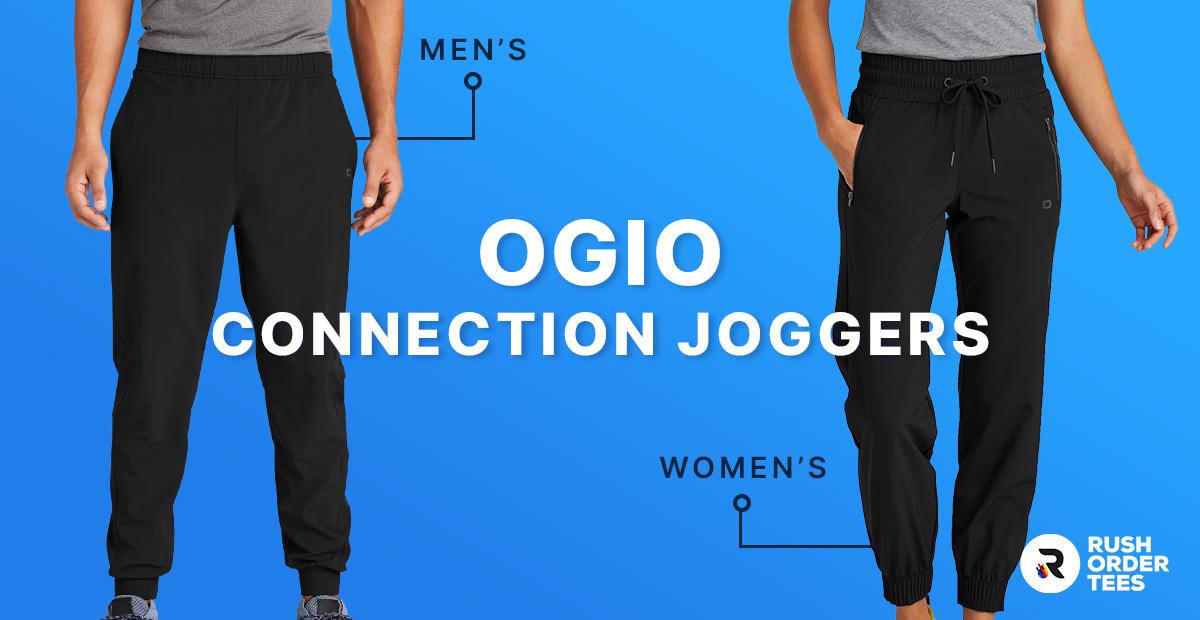
Men’s pants are generally tailored with a straighter cut, prioritizing room in the waist and leg, while women’s pants usually account for a greater waist-to-hip ratio and may have a higher or more contoured rise. Women’s cuts also tend to offer more room through the hips and may be narrower at the waist and thighs, while men’s styles maintain consistent width throughout the leg. These fundamental differences impact comfort and appearance, so it’s important to select the style that matches the primary wearers’ needs and body shapes.
Inclusive Sizing & Team Orders
To ensure an inclusive fit for group orders, encourage team members to take individual measurements and don’t assume one-size-fits-all from a label or a typical size guess. Look for brands that offer extended size ranges, including plus, petite, and tall options, to accommodate varied body types. If possible, order sample sizes or fit kits so everyone can try on options before finalizing. Providing fit notes, brand-specific guidance, or allowing staff to pick their sizes directly using the brand’s chart can further ensure satisfaction and help everyone feel comfortable and confident in their custom pants.
Tips for Team or Group Sizing
- Get sample sets or offer sizing kits: Providing physical samples or sizing kits allows team members to try on different sizes and find the best fit before placing bulk orders, minimizing returns and exchanges.
- Collect measurements rather than size labels: Requesting actual body measurements (waist, inseam, hip) instead of traditional size labels leads to more accurate fits, as sizes can vary significantly between brands and styles.
- Round up for layered workwear: If employees will wear base layers or carry tools in their pockets, consider sizing up to ensure comfort and mobility throughout the workday.
- Choose stretch fabrics for uncertain fit: When in doubt or ordering for a diverse group, select pants made with stretch fabrics, as they provide added flexibility and accommodate slight variations in body shape and size.
- Encourage individual fit checks: Have each person verify their own measurements and preferred fit style to avoid assumptions and improve satisfaction across the team.
- Document sizing preferences: Keep a record of individual measurements and fit choices for easy future reorders or uniform updates, saving time and minimizing errors.
Shrinkage & Fabric Considerations
- Pre-shrunk Fabrics: Many pants use pre-shrunk fabrics, which go through a special process to reduce further shrinking after purchase. This means less change in fit even after repeated washing and drying, although some minimal shrinkage (1–2%) can still occur, especially if care instructions aren’t followed.
- Natural Cotton: 100% cotton pants are most prone to noticeable shrinkage—typically 3–5%, and up to 10% if not pre-shrunk. Cotton fibers naturally contract when exposed to heat and moisture, so washing in cold water and air drying is recommended to preserve fit.
- Synthetic Blends: Pants made of cotton/polyester or spandex blends resist shrinkage much better, typically shrinking less than 3%. The presence of polyester or spandex helps these pants maintain their shape and fit through multiple washes, making them ideal for uniforms and workwear that require consistent sizing.
- Fleece: Cotton-based fleece can shrink 5–10% after wash—more than most other blends—while those with more synthetic content shrink much less. Read care tags and consider sizing up or looking for pre-treated options if you expect frequent tumble drying.
- Fit Differences Post-Wash: Cotton-based garments can tighten across all dimensions, but most shrinkage is seen in length and width, affecting legs, waist, and overall feel. Synthetic blends and pre-shrunk items are best when long-term size consistency matters or for team orders where frequent laundering is expected.

Get Your Pant Sizing Right From the Start
Custom pants sizing doesn't have to be complicated when you follow the fundamentals. Whether you're ordering branded joggers for your fitness studio, comfortable pajamas for a corporate retreat, stretch leggings for your yoga brand, or performance activewear for your athletic program, the principles remain the same: understand fit styles, take accurate measurements, and plan for fabric behavior. Get these basics right, and you'll avoid the frustration of returns, exchanges, and team members who won't wear their custom apparel.
At RushOrderTees, we've guided thousands of customers through the pants sizing process, from small fitness studios to major corporations outfitting entire teams. Our sizing specialists understand the nuances of different brands, fits, and fabric behaviors, and we're here to help you navigate every decision from measurements to final ordering. When you’re ready to get your custom pants project started, browse our full pants collection or contact our team for personalized sizing guidance that ensures every member of your group gets the perfect fit.

About the Author
A graduate of the Multimedia program at the University of the Arts in Philadelphia, Imri Merritt is an industry veteran with over 20 years of graphic design and color separations experience in the screen printing industry.
 2727 Commerce Way
Philadelphia PA 19154
2727 Commerce Way
Philadelphia PA 19154 Call (800) 620-1233
 Email Us